
A ceremony held while you or your loved one is still here, celebrating a life lived well.
Living funerals are an increasingly popular way to celebrate someone’s life while they can be present to enjoy it.
Unlike a traditional funeral or celebration of life ceremony, which takes place after death, a living funeral (sometimes called a “celebration of life in advance”) gives the person at the centre of the ceremony the chance to:
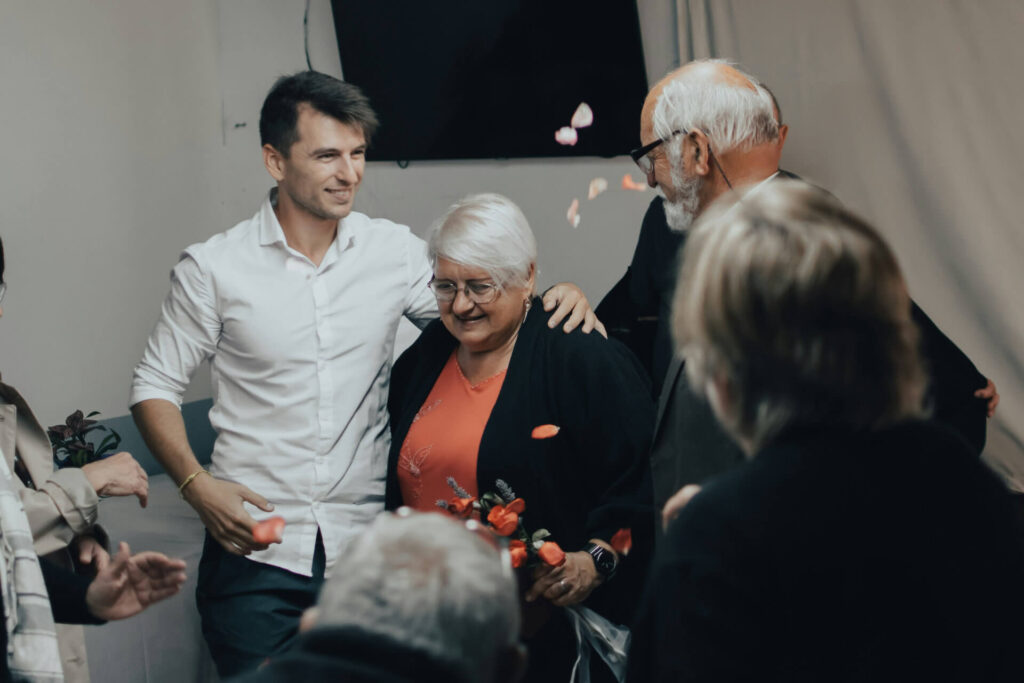
- Hear tributes and stories from friends and family
- Share their own reflections, thanks, or farewells
- Be part of the music, readings, and rituals chosen
- Celebrate life with laughter, memory, and love
They can be incredibly healing and joyful experiences, not only for the person being honoured, but also for those who love them.
Why have a Living Funeral?
-

To say thank you and goodbye in your own way
many people want to express love and gratitude while they can.
-
To relieve pressure later
families often find comfort in knowing they’ve had the chance to gather, share stories, and celebrate together, before navigating grief.
-
To take control
living funerals give people the opportunity to choose music, readings, or rituals that mean the most to them.
-
To make memories
instead of only mourning, families leave with cherished moments of connection, humour, and joy.
-
To help with grief
psychologists note that these gatherings can provide closure and comfort, easing the bereavement journey later.
What a Living Funeral Can Look Like
Every living funeral is unique—shaped around the person it honours.
Some ideas:
-
Storytelling Circles:
Invite guests to share their favourite memories; these can be recorded or written into a keepsake book.
-
Music & Performance:
Live music, a favourite playlist, or even a sing-along of songs that shaped a life.
-
Memory Rituals:
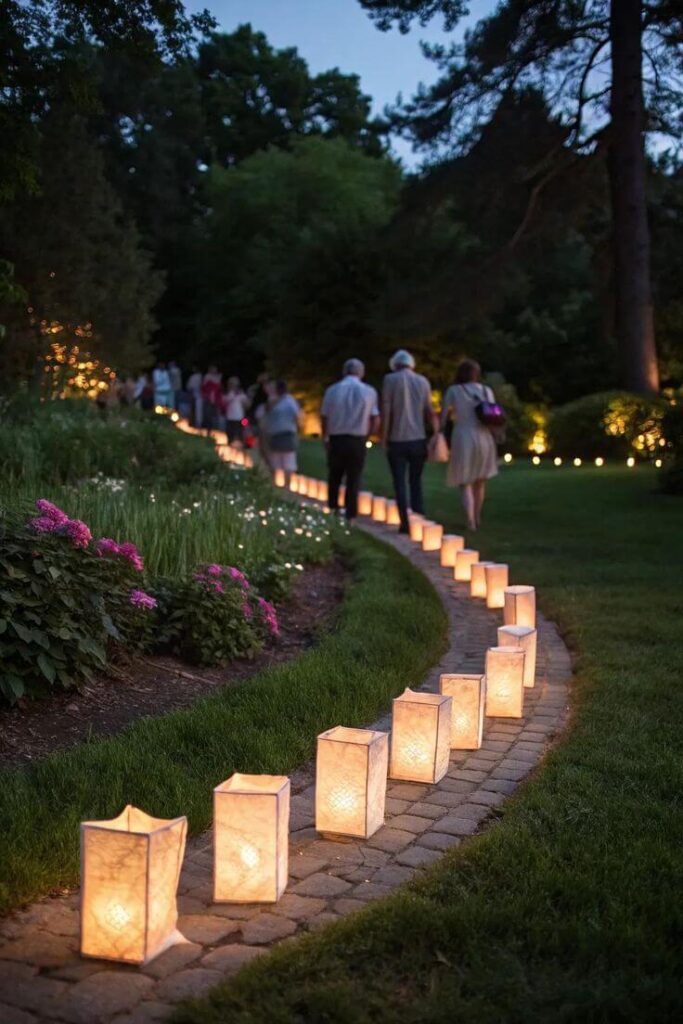
Candle lighting, planting a tree, writing wishes on ribbons or cards to be kept by the family.
-
Themed Gatherings:
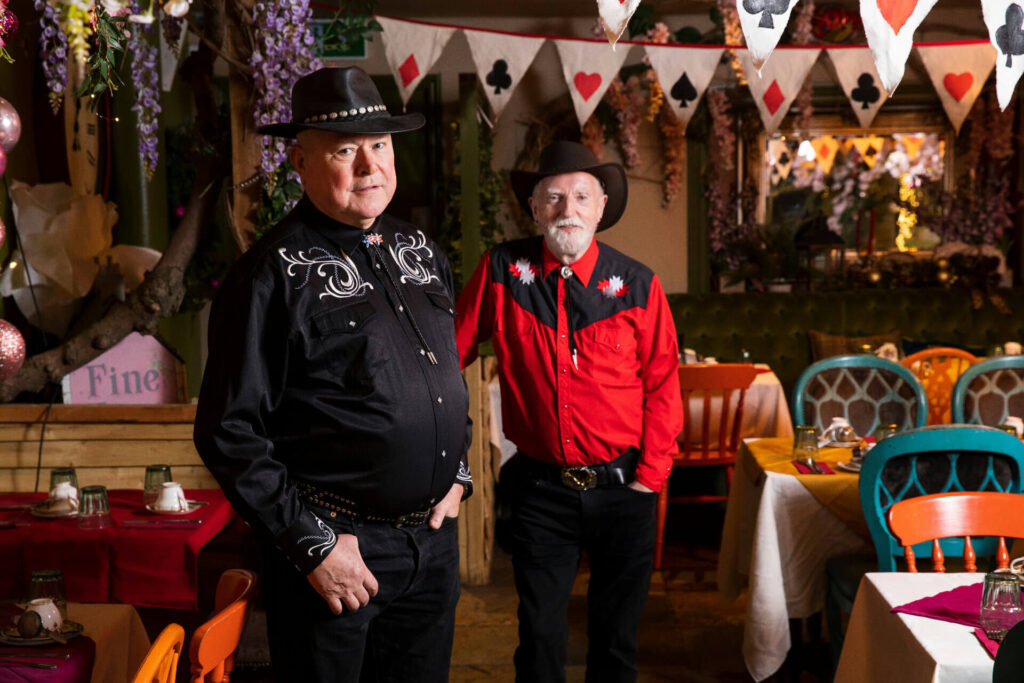
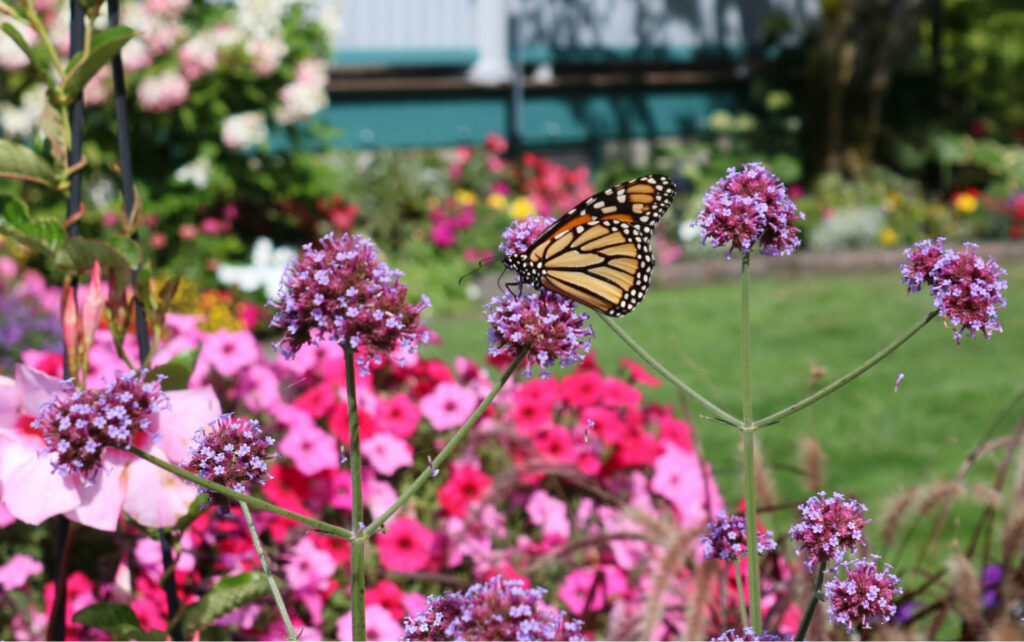
Reflect passions: a garden party for a nature-lover, a pub gathering with folk songs, an art gallery-style display for a creative soul.
-
Participation:
The guest of honour might choose to speak, read, or simply sit back and absorb the love around them.
-
Practical Touches:
Photo displays, videos, or keepsakes can be included, making the day feel celebratory and personal.
Or just a good old fashioned party…
Where Can a Living Funeral Take Place?
- A family home or garden
- A woodland burial site or natural space
- A hired venue (hall, community centre, hotel, gallery)
- Hospice or care settings (with staff support)
- Virtually, via livestream or video call, to include far-away friends and family
How I Can Help
Living Funeral
As your celebrant, I’ll:
- Meet with you and your family to learn stories and wishes
- Suggest ideas for meaningful rituals, music, and readings
- Write a bespoke ceremony script that reflects your personality and values
- Lead the ceremony on the day with warmth, respect, and calm guidance
- Provide a keepsake script afterwards, so the memories can be revisited
A living funeral is about honouring life while it is still being lived. It’s about laughter as much as tears, gratitude as much as grief. It offers a rare and precious chance to say the things that matter most while there is still time to say them.

More about Living Funerals
FAQs
Are living funerals only for people who are terminally ill?
No. While some people choose a living funeral after a diagnosis, others simply want to gather their community to celebrate a milestone birthday, retirement, or a life well lived. It doesn’t have to be linked to illness—it’s about choosing to celebrate while you’re here.
How long does a living funeral last?
Can we still have a funeral later?
Where can a living funeral take place?
Is a living funeral religious or non-religious?
What can we include in the ceremony?
Who usually attends?
Will it be sad?
What People Say About Kate

The utterly brilliant Kate Wood delivered her speech with real humour, vulnerability and heart.
Kate is passionate about engagement and supporting people - her enthusiasm and energy come through in spades. She brings something truly special that you won't forget.

Kate is very engaging, and seeks to include everyone and is interested in different perspectives.
A thoughtful person, she prepares carefully so that everything is well planned.

Kate Wood never ceases to amaze me with her enthusiasm
Kate Wood never ceases to amaze me with her enthusiasm, professionalism and ability to engage with stakeholders at all levels. I worked with her in both IAMCP and the WIT network: she was instrumental in our strategies, execution and mentoring. I highly recommend her as a colleague or a partner – she can move mountains to get things done!
Thanks again for making a difficult time for me and Graham so much easier to deal with. The whole family really appreciated that.
Now things are settling after the funeral I wanted to write a note of thanks for all of the work and care you put in to our Dad's memorial.
We left the funeral feeling that the whole occasion had not only reflected what he did during his life but also the man himself and who he was.
We felt that the occasion was a real celebration of him and his life.
Everyone who attended told us how they left feeling uplifted and what a positive occasion it had been.
I have told the team at Co-Op Funeralcare Salford how pleased my brother and I were with all that you did for us.
Thanks again for making a difficult time for me and Graham so much easier to deal with. The whole family really appreciated that.
Thank you for everything. The day was just as we wanted, and you have made it so much easier for us to talk about as a family.
Thanks so much for everything you did both on the day of the funeral and beforehand. The day was beyond what we expected; we all agreed we actually enjoyed it, and everyone who attended complimented how wonderful, funny, and warm the service was. We were nervous planning things, but you made it so easy; you really helped us a lot.
Thank you, Kate, for your wonderful service. Roger would be proud.
Thank you so, so much for everything that you did. It came together so well with everything that Rob and I told you about Mum, and the way you put it together. So many people said it just reminded them of mum. Thank you again for everything, and for the way it came together, and thanks for the printouts of the ceremony script on the day.
We would like to thank you for the beautiful service you performed for Janet yesterday. Everyone, without exception, said how lovely it was and that we had done Janet "proud". Thank you for your care and patience over the last few weeks. I can honestly say that Janet would have been totally embarrassed by yesterday's ministrations, but there was no way I was going to let her get away with any of that. Thank you from the whole family.
When You Need Support
Grief doesn't follow schedules, and neither do I. Whether you're planning ahead or need immediate support, I'm here to listen and help you create a ceremony that honours your loved one with the dignity, warmth, and authenticity they deserve.